Explore the architecture, history, facilities, and navigation guides for Japan's most important and iconic railway stations.
Japanese railway stations are cultural landmarks in their own right. Major stations house shopping malls, restaurants, art galleries, gardens, and observation decks — some could be considered small cities unto themselves.
Understanding station layouts, exit systems, and interconnected lines is an essential part of planning any Japanese journey. Our guides break down complexity into easy, navigable steps.
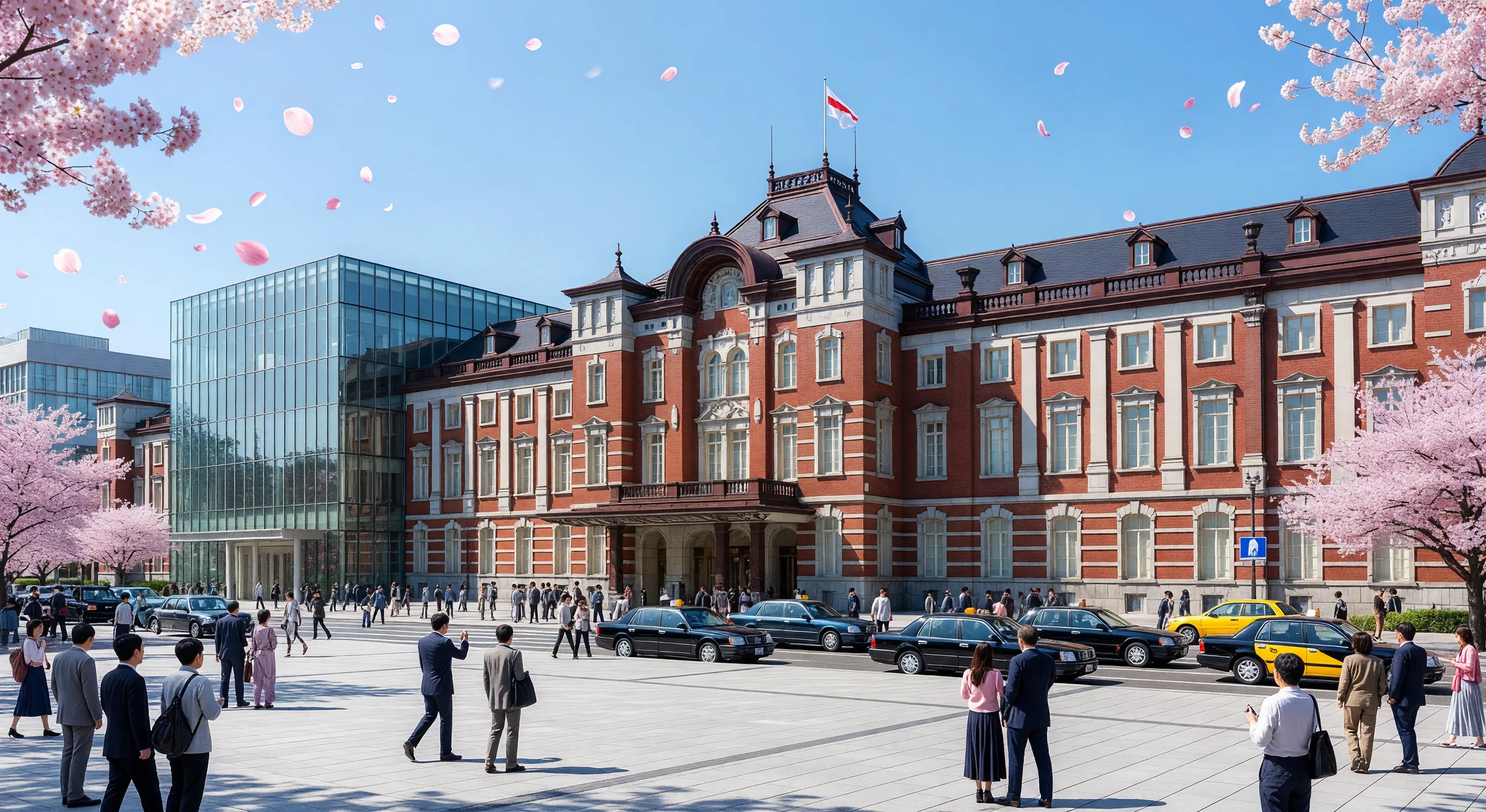
Browse StationsJapan's trusted railway hub, handling all Shinkansen lines and major JR limited express trains. The Marunouchi red-brick facade is a registered historical landmark.
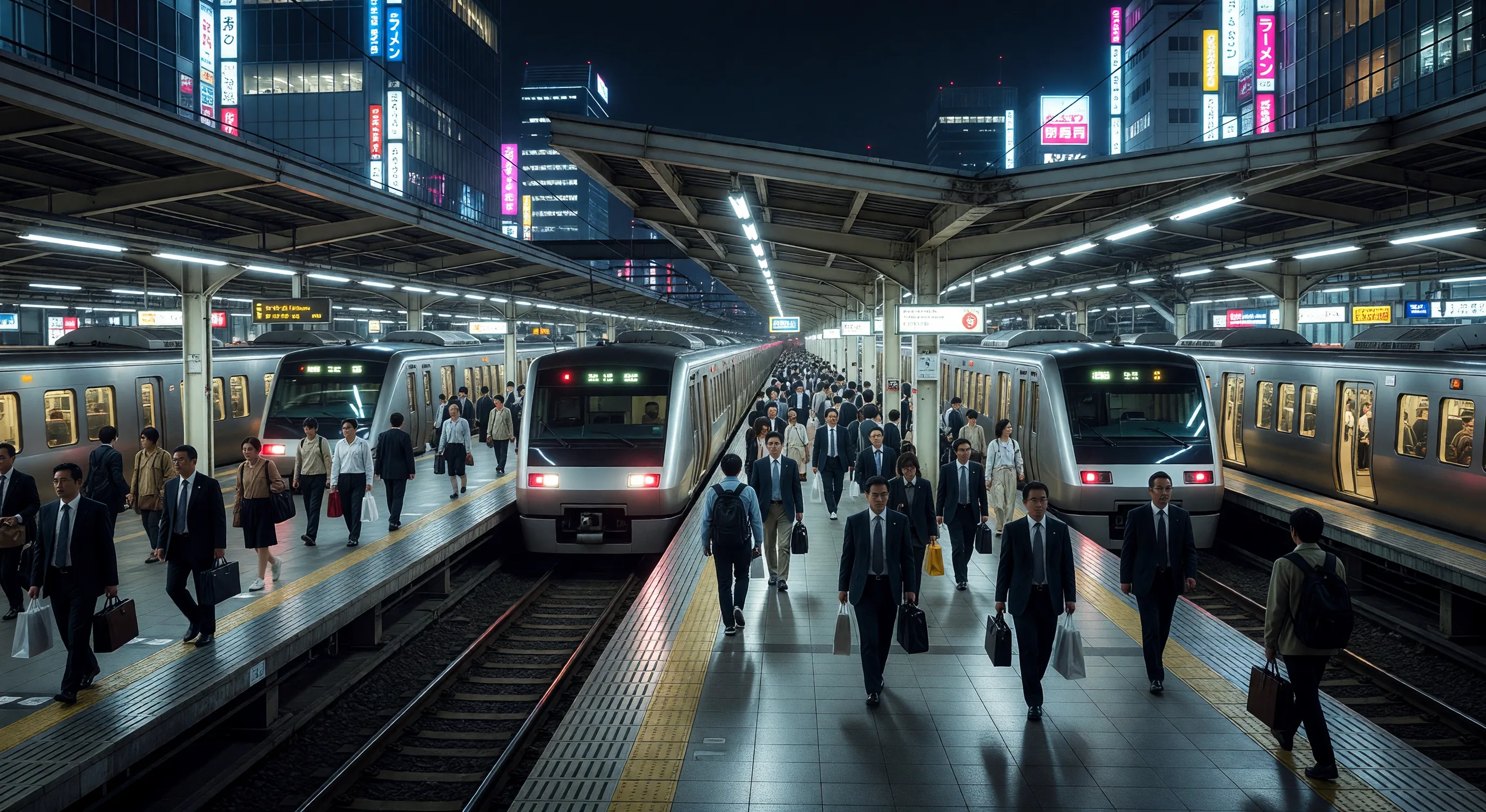
The world's busiest railway station by passenger count, with 200+ exits and connections to JR, Tokyo Metro, Toei, Odakyu, Keio, and Seibu lines.
The main JR hub in Osaka, part of the larger Umeda terminal complex. Connected directly to Shin-Osaka Shinkansen station via JR and metro lines.
A striking contemporary building inside Japan's ancient capital, housing 11-storey sky gardens, a theatre, hotel, department store, and direct Shinkansen access.
Central Japan's largest station, a future maglev hub, and the gateway to Nara, Gifu, Ise, and Takayama. Features twin 245-metre skyscraper towers.
Kyushu's main Shinkansen terminal and the southern gateway of the JR network. The Hakata City mall above the station is a major shopping destination.
Japan's large railway stations are comprehensive destinations in themselves, offering far more than just train connections.
Echelon levels of shopping from department stores to Ekiben (station bento) shops. Many stations are home to Michelin-starred restaurants and regional food specialties.
All major stations offer coin-operated luggage lockers (コインロッカー) in small, medium, and large sizes, accepting cash and IC cards for temporary storage.
JR stations have dedicated tourist information counters (観光案内所) with English-speaking staff who can assist with route planning, reservations, and local tips.
Elevators, wheelchair ramps, tactile paving, and dedicated assistance services are standard at all major stations, making Japan's rail system highly accessible.
Clean restrooms, nursing rooms for families, prayer rooms, and rest areas are commonly available. Large stations have dedicated accessible toilet facilities.
Free Wi-Fi is available at most major stations under the "Japan Free Wi-Fi" initiative. Charging stations and phone lockers are increasingly common in modernised terminals.
Large Japanese stations can be intimidating at first glance, but they follow logical patterns once you understand the systems.
View All Travel TipsUse numbered or named exits (e.g. "South Exit", "Central Gate") to orient yourself. Google Maps shows which exit is closest to your destination.
Every rail line in Japan has a designated colour. Learn to read the coloured signage boards and you'll navigate any station without reading Japanese.
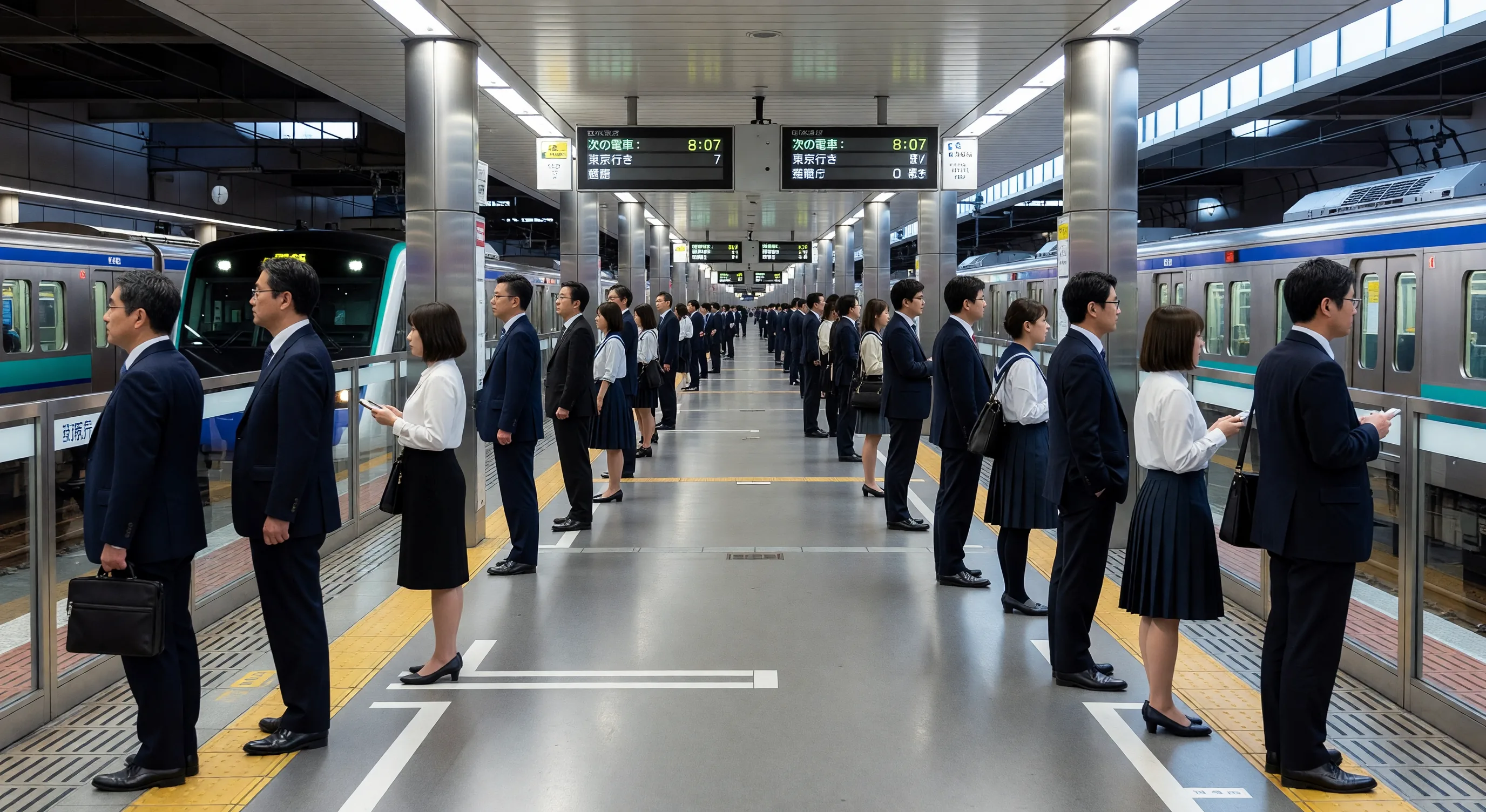
Yellow tactile strips on platforms indicate where to stand for safe boarding. Form a queue on either side of the strips — boarding order is respected uniformly.
When transferring between networks (e.g. JR to Metro), pass through an intermediate gate rather than fully exiting to avoid being charged double fares.